

Introduction
In high-pressure die casting, mold cores and inserts are subjected to extreme conditions—temperatures exceeding 700°C, pressures up to 100 MPa, and continuous exposure to molten aluminum. These harsh environments create two critical challenges: soldering (aluminum adhesion) and erosion (material wear). The result? Unplanned downtime, increased maintenance costs, and compromised casting quality.
The Problem: Soldering & Erosion
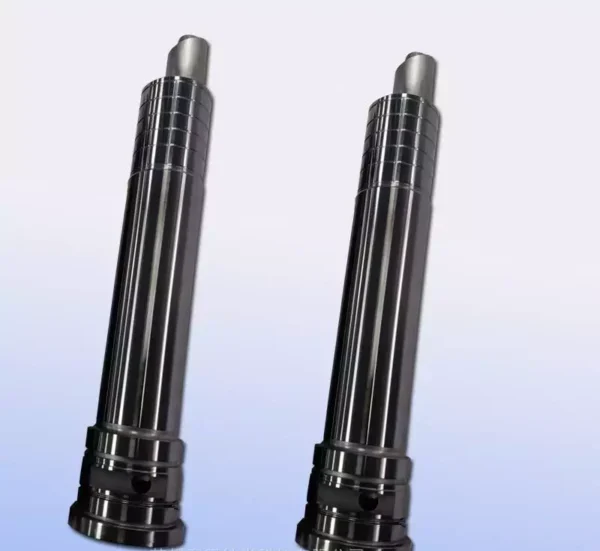
Soldering (粘模) occurs when molten aluminum chemically bonds to the mold surface, forming stubborn deposits that are difficult to remove. This forces frequent cleaning cycles and leads to surface defects on cast parts.
Erosion (冲蚀) is the gradual wearing away of mold material caused by high-velocity molten metal flow. Over time, this erodes critical dimensions, reduces tooling precision, and shortens mold life.
The Solution: PVD Nano-Coating Technology
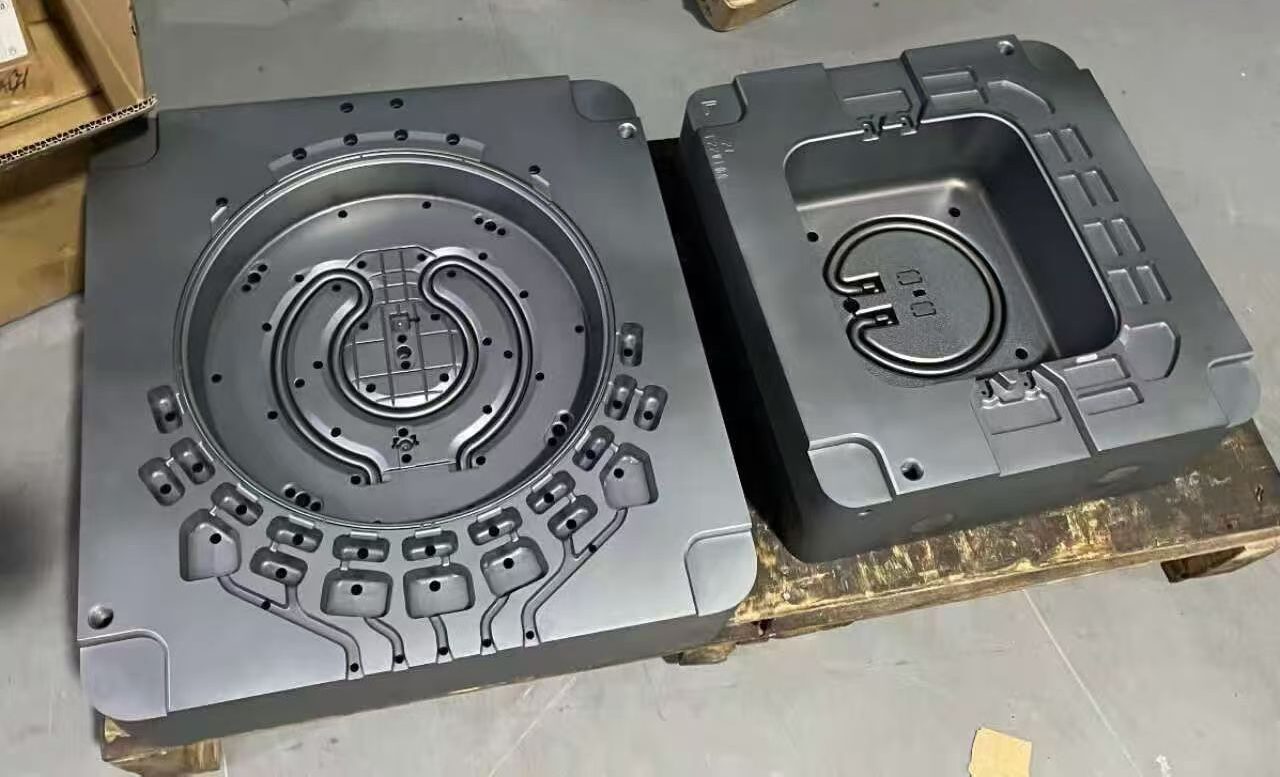
Physical Vapor Deposition (PVD) nano-coating offers a proven solution. By applying ultra-thin ceramic coatings (2-5 microns) to mold surfaces, we create a protective barrier with exceptional properties:
- High Hardness (up to 3000 HV): Superior resistance to aluminum erosion, maintaining critical dimensions over extended production runs.
- Low Friction Coefficient: Smooth, non-stick surface prevents aluminum adhesion, improving part release.
- Thermal Stability: Advanced coatings like TiAlN, CrN, and AlCrN maintain properties at elevated temperatures.
- Chemical Inertness: Acts as a diffusion barrier, preventing reactions between mold steel and molten aluminum.
Coating Technologies Compared
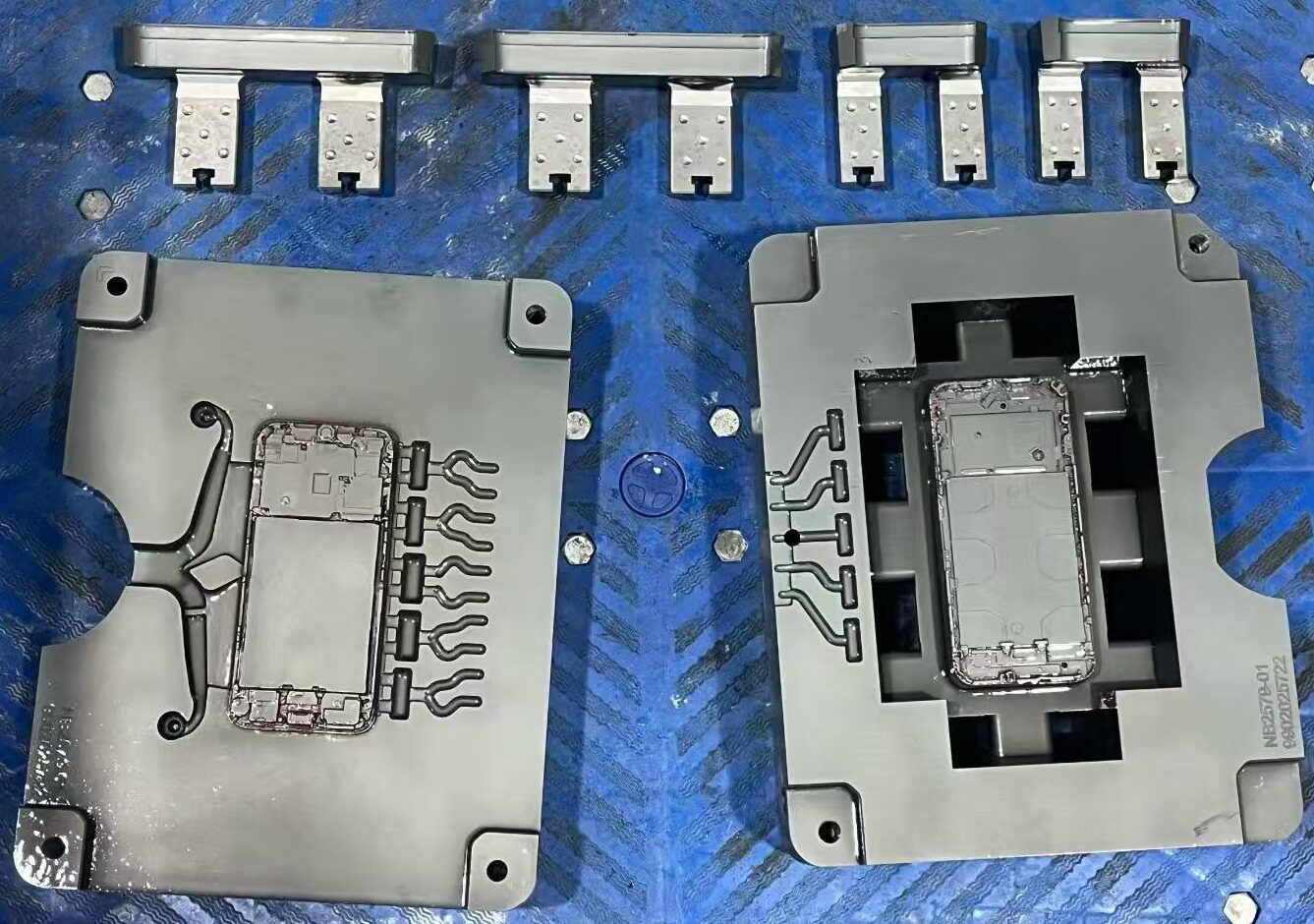
| Coating Type | Hardness (HV) | Max Temp (°C) | Best For |
|---|---|---|---|
| TiAlN | 2800-3200 | 900 | High-speed aluminum casting |
| CrN | 1800-2200 | 700 | Corrosion resistance |
| AlCrN | 2500-3000 | 1100 | Extreme temperature applications |
Maintenance Tips for Coated Molds
- Use soft cleaning methods – Avoid abrasive tools that could damage the nano-layer
- Monitor coating thickness – Schedule re-coating before complete wear-through
- Proper storage – Keep coated components in dry, clean environments
- Handle with care – Prevent mechanical damage during assembly/disassembly
Conclusion
Investing in PVD nano-coating is a strategic decision that pays dividends. While the upfront cost may seem significant, the extended tooling life, reduced downtime, and improved casting quality deliver substantial ROI. Remember: preventive investment in surface treatment is far more economical than reactive repairs and production losses.
Keywords: PVD Coating, Die Casting Mold Inserts, Surface Treatment, Mold Core Durability, X-Diecasting Tech
Explore our premium Mold Inserts & Surface Treatment services at X-Diecasting Tech Production Center: https://x-diecasting.com/mold-equipment/#mold-inserts-surface