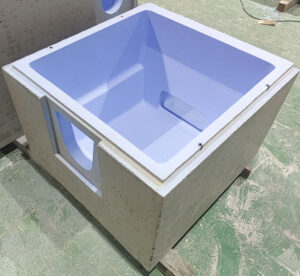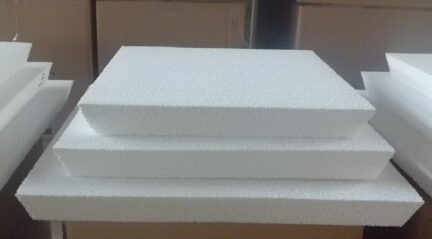

In the aluminum casting industry, even microscopic impurities can compromise product integrity, leading to costly defects and customer dissatisfaction. As production demands intensify and quality standards rise, foundries face mounting pressure to deliver flawless castings while controlling operational costs. Advanced filtration technology has emerged as a critical solution to these industry challenges.
The Hidden Cost of Impurities
Aluminum alloys naturally contain oxide inclusions, metal residues, and other contaminants during melting and transfer. Without proper filtration, these impurities manifest as porosity, cracks, and slag inclusions in finished castings. The consequences extend beyond immediate scrap rates—substandard products damage brand reputation and erode market competitiveness, particularly in sectors like automotive and aerospace where precision is paramount.
Modern filtration systems address these pain points through multi-dimensional improvements in product design and material science.
Precision Filtration: The Foundation of Quality
Contemporary filtration equipment achieves remarkable efficiency, capturing particles as small as 0.1mm with removal rates exceeding 95%. This level of purification fundamentally transforms aluminum liquid quality, ensuring uniform composition and optimal fluidity. The result is castings with superior surface finish and internal density, free from the defects that plague conventional production.
For manufacturers serving high-precision markets, this capability translates directly into competitive advantage. Components that once required extensive post-processing now emerge from molds ready for use, streamlining workflows and accelerating delivery schedules.
Engineering for Durability and Performance
The operating environment of aluminum casting presents extreme challenges—temperatures ranging from 680°C to over 800°C, continuous thermal cycling, and exposure to aggressive molten metal. Advanced filtration systems employ specialized materials including silicon carbide and high-alumina compositions that withstand these conditions while maintaining structural integrity.
Key engineering features include:
- Anti-infiltration coatings that prevent molten aluminum from penetrating filter media, extending service life significantly
- High-temperature sealing systems utilizing specialized gaskets that eliminate leakage and prevent secondary oxidation
- Pressure-resistant designs that maintain dimensional stability under operational loads
These characteristics enable continuous operation without the downtime and maintenance interruptions that plague conventional equipment.
Economic Advantages Beyond Equipment Cost
While premium filtration systems represent higher initial investment, their lifecycle economics prove compelling. Comprehensive analysis reveals multiple cost-saving mechanisms:
Reduced Scrap Rates: Effective impurity removal decreases casting defects by 10-15%, directly conserving raw material and reducing rework expenses.
Streamlined Post-Processing: Cleaner castings require 30% less grinding, polishing, and finishing work, shortening production cycles and reducing labor costs.
Extended Equipment Life: Durable construction materials and optimized designs minimize maintenance frequency and replacement needs. Premium systems often deliver 50-80 production cycles per filter element compared to 20-30 for standard alternatives.
When calculated across total production volume, these savings frequently reduce per-unit costs by 30% compared to economy filtration options.
Adaptability for Diverse Production Environments
Modern casting operations span multiple processes—from high-pressure die casting to gravity pouring and continuous casting lines. Filtration technology has evolved to accommodate these varied applications through customizable configurations.
Whether processing standard aluminum alloys or specialized high-silicon, high-copper formulations, adaptable filtration solutions maintain consistent performance. Modular designs in both integrated and split configurations accommodate different facility layouts, while straightforward installation and maintenance procedures minimize operational complexity.
Strategic Investment in Quality Infrastructure
In an industry where product quality directly determines market position, filtration technology represents essential infrastructure rather than optional equipment. The correlation between molten metal purity and final casting excellence makes advanced filtration systems indispensable for competitive manufacturing.
For operations seeking to elevate product standards while optimizing cost structures, investing in proven filtration technology delivers measurable returns across quality metrics, production efficiency, and bottom-line performance. The transformation from reactive defect management to proactive quality assurance begins with ensuring every drop of aluminum entering the mold meets the highest purity standards.